Posted on Leave a comment

Chasing the Flavor: A Grower’s Guide to Fruity Terpenes

​If you’ve ever unzipped your grow tent and been hit with a wave of fresh citrus, sweet berries, or overripe mango, you already know the magic of cannabis terpenes.


​For a long time, the cannabis conversation was entirely focused on THC percentages. But as the adult-use market matures here in Minnesota, home growers are realizing that THC is only the engine of the car—it’s the terpenes that hold the steering wheel.


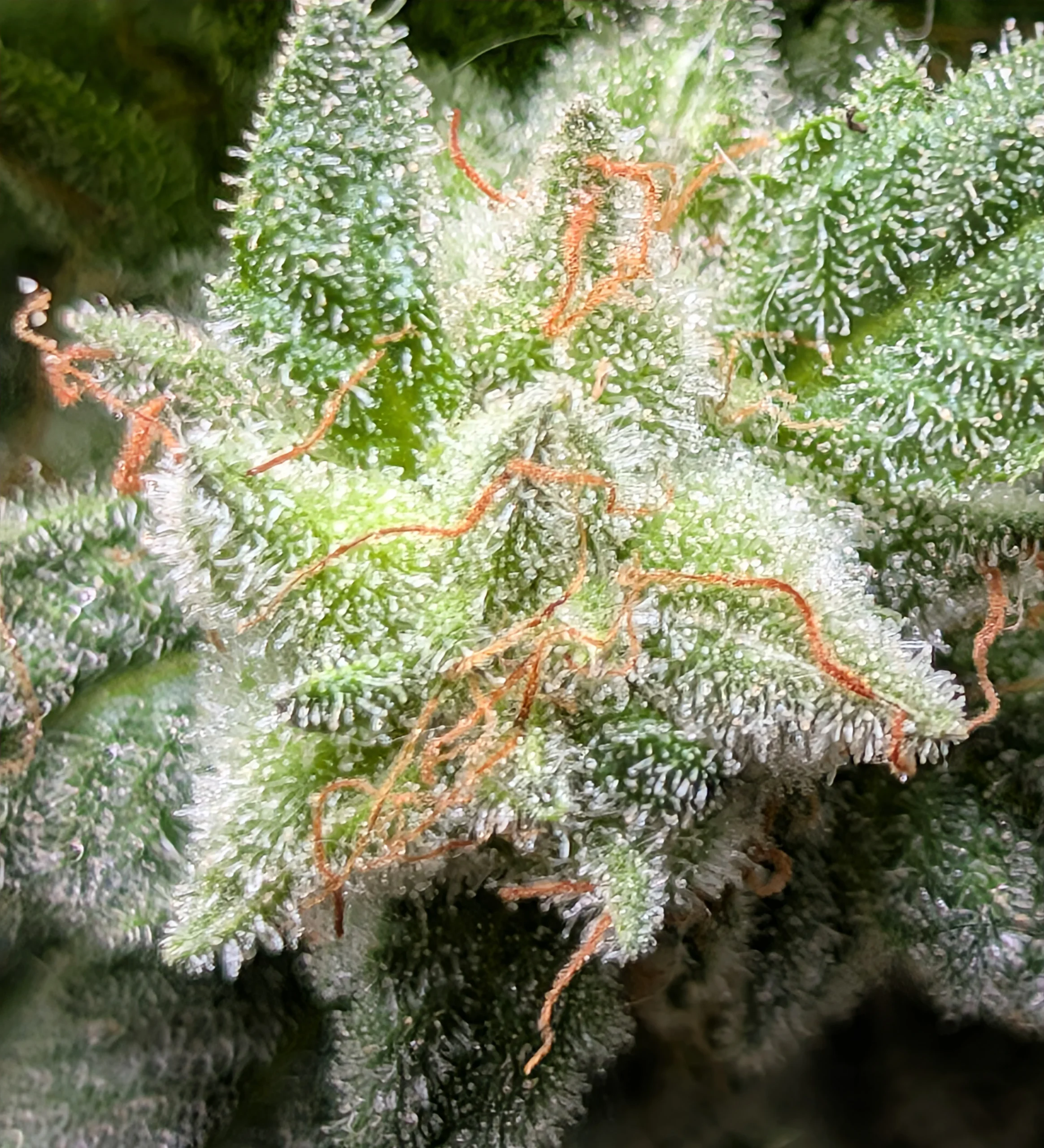
​Terpenes are the natural essential oils produced in the sticky resin glands (trichomes) of your cannabis plants. They dictate exactly how a strain smells, how it tastes, and—most importantly—the unique “vibe” or reported effects you experience.


​If you are hunting for those mouth-watering, fruit-forward profiles, here is a breakdown of the key terpenes you want in your garden and the experiences they are known to provide.


​🍋 Limonene: The Citrus Spark


Aroma/Flavor: Lemon zest, sweet orange, grapefruit, and bright citrus.


​If a strain smells like a freshly peeled tangerine or a glass of lemonade, it is likely packed with limonene. This is one of the most highly sought-after terpenes for daytime consumers.


The Reported Vibe: Limonene is widely celebrated for its uplifting and euphoric effects. Consumers frequently report that high-limonene strains provide a burst of creative energy, making them perfect for socializing with friends, tackling a weekend project, or enjoying a sunny afternoon hike around the Twin Cities. It’s the ultimate “good mood” terpene.


​🥭 Myrcene: The Heavy, Sweet Fruit


Aroma/Flavor: Overripe mango, sweet earth, and musky fruit.


​Myrcene is the most abundant terpene in modern cannabis. While it has an earthy baseline, high concentrations of myrcene are responsible for that heavy, sweet, almost fermented mango aroma.


The Reported Vibe: If Limonene is your morning cup of coffee, Myrcene is your evening glass of wine. Consumers overwhelmingly associate myrcene with deep physical relaxation. Strains dominant in this terpene are famous for the “couch-lock” effect—perfect for winding down after a long day, watching a movie, or purely melting into your favorite chair.


​🍏 Terpinolene: The Complex Orchard


Aroma/Flavor: Crisp apples, floral citrus, and a hint of fresh pine.


​Terpinolene is a fascinating “wildcard” terpene. It isn’t as common as myrcene or limonene, but when it’s the dominant terpene, it creates an incredibly complex, sweet, and fresh fruit aroma that reminds many growers of a blooming apple orchard.


The Reported Vibe: Consumers generally report that terpinolene leans heavily toward cerebral, heady effects. It’s often described as mentally stimulating without necessarily being physically energizing. It’s a fantastic profile for deep conversations, listening to music, or getting lost in a good book.


​🫐 The “Berry” Profiles: A Team Effort


​What if a strain smells exactly like blueberries or sweet strawberries?


​Interestingly, there isn’t a single “berry” terpene. Those incredible berry profiles are usually the result of the entourage effect—a specific blend of multiple terpenes (often a mix of myrcene, pinene, and caryophyllene) working together to trick your nose into smelling a bowl of mixed berries. Strains with these complex blends often provide a beautifully balanced, middle-of-the-road experience that is both physically relaxing and mentally uplifting.


​Why Growing Your Own Tastes Better


​When you buy mass-produced flower from a dispensary, the product has often been sitting in commercial packaging for months. Because terpenes are highly volatile organic compounds, they naturally evaporate over time, leaving you with a muted, flavorless experience.


​When you grow from seed at home, you control the dry and the cure. You get to preserve those volatile fruit terpenes at their absolute peak, resulting in flower that is infinitely louder and tastier than anything you can buy on a shelf.


​Ready to add some fruit to your garden? Browse the Lucky Duck Genetics Seed Menu to find your next flavor-packed phenotype.


​We proudly serve the Minnesota adult-use community, and remember—all orders over $150 get FREE delivery straight to your door in the Twin Cities metro! Let’s grow something sweet. 🦆🌱

Posted on Leave a comment

The Ultimate Guide to Pheno Hunting and Cloning in Minnesota

​If you’ve been growing cannabis for a while, you already know the thrill of germination. But eventually, every dedicated home grower asks the same question: How do I find that one mind-blowing plant and keep it forever?


​The answer lies in two of the most rewarding skills a cultivator can master: pheno hunting and cloning.


​Whether you’re chasing a specific terpene profile, massive yields, or an incredibly resilient plant for a tricky basement grow tent, learning how to hunt for the perfect phenotype and preserve it via cloning is the ultimate way to level up your garden. Here is how to do it right here in Minnesota.


​What Exactly is a “Pheno Hunt”?


​When you buy a premium pack of seeds from Lucky Duck Genetics, you are purchasing a specific genotype—the genetic code created by crossing a specific mother and father plant. However, just like human siblings sharing the same parents, every seed in that pack will grow into a unique expression of those genetics.


​Those physical expressions are called phenotypes (or “phenos” for short).


​A pheno hunt is simply the process of growing out multiple seeds of the same strain to find the single best plant of the bunch. You are playing matchmaker, looking for the one plant that perfectly fits your specific grow style and preferences.


​When hunting, you want to keep an eye out for:


  • Vigor: Does the plant grow fast and strong during the vegetative stage?

  • Structure: Are the internodes tightly stacked? Are the branches strong enough to hold heavy buds?

  • Terpenes: Does the aroma hit you in the face the second you open the tent?

  • Resilience: How well does it handle nutrient fluctuations, pest pressure, or the dry Minnesota winter air?


​Why Cloning is Your Secret Weapon


​Finding the perfect phenotype is only half the battle. If you let your winning plant flower and harvest it without taking a clone, that unique genetic expression is gone forever.


Cloning is your insurance policy. By taking a small cutting from a vegetative plant and encouraging it to grow roots, you are creating an exact, 100% identical genetic replica of the mother plant.


​Here is how the standard pheno hunt workflow operates:


  1. Pop Your Seeds: Germinate a few seeds from your pack.

  2. Take Cuttings: Before you flip your light schedule to 12/12 to induce flowering, take one or two clones from every single plant. Label them carefully! (e.g., Plant A, Plant B, Plant C).

  3. Flower the Seedlings: Put the original seed-grown plants into the flowering tent. Keep the clones under 18-24 hours of light in a separate space so they stay in the vegetative stage.

  4. The Harvest & Judgment: Once you harvest, dry, and cure your flower, it’s time for the taste test. Let’s say “Plant B” ends up being the frostiest, best-tasting flower of the bunch.

  5. Keep the Winner: You simply throw away the clones for Plants A and C, and promote the clone of Plant B to “Mother Plant” status. You can now take cuttings from that mother plant for years, guaranteeing a perfect harvest every single time.


​Hunting Within Minnesota Limits


​It’s important to remember that Minnesota state law allows adults 21+ to cultivate up to eight cannabis plants total at a single residence, with no more than four mature (flowering) plants at any given time. All plants must be kept in an enclosed, locked space out of public view.


​This 8-plant limit actually sets up a perfect, continuous pheno-hunting rotation!


​You can legally have four mature plants finishing up in your flowering tent, while keeping four vegetative clones safely in your veg tent. As soon as you harvest your four mature plants, your four clones are ready to be moved into the flower tent, and the cycle continues.


​Start Your Hunt with Lucky Duck Genetics


​A great pheno hunt starts with world-class genetics. You can’t find a trophy-winning plant if you start with unstable or low-quality seeds.


​At Lucky Duck Genetics, we breed our seeds to ensure high germination rates, incredible vigor, and expressions that will make you want to keep a mother plant around for years to come.


​Ready to find your keeper? Browse our Current Seed Menu to start your hunt. And remember, if you are located in the Twin Cities, we offer FREE metro delivery on all orders over $150. Happy hunting, Minnesota! 🌱🦆


Posted on Leave a comment

Future-Proof Your Grow: Navigating the 2026 Farm Bill Landscape

Between historic federal rescheduling hearings and fierce congressional debates over the 2026 Farm Bill, the federal cannabis landscape is more uncertain than ever. In Washington, lawmakers are actively clashing over provisions like the Miller Amendment, which aims to federally ban intoxicating hemp products and close the loophole that has allowed cannabis seeds to be shipped across state lines.


​For the everyday home grower, keeping up with the daily headlines can be exhausting. But here is the good news: you don’t need to be a legal expert to protect your garden.


​Instead of worrying about what politicians are doing in Washington D.C., you can focus on what you can control right inside your own grow tent. Here is how you can proactively future-proof your Minnesota home grow against the impending federal shifts.


​1. Secure Your Seed Vault Now


​With federal legislation poised to aggressively target the interstate shipping of seeds and hemp derivatives by November 2026, the national supply chain is bracing for a massive bottleneck. Out-of-state mega-distributors that rely on the federal postal service are facing an existential threat.


​When national supply drops, prices skyrocket.


​The smartest thing a cultivator can do right now is build a personal “seed vault.” By stocking up on stable, premium genetics while availability is high and prices are normal, you guarantee that your garden will be full next season, regardless of what happens to the online seed market. Store your seeds in a cool, dark, and dry place (like the crisper drawer of your refrigerator in an airtight container), and they will remain viable for years.


​2. Master the Art of the Clone


​One of the most effective ways to insulate yourself from market shortages is to become self-sufficient. If you haven’t already, make 2026 the year you learn how to take cuttings and maintain a mother plant.


​When you pop a pack of Lucky Duck Genetics and discover a phenomenal phenotype—one that exhibits incredible vigor, a unique terpene profile, or massive yields—you don’t have to lose it after harvest. By taking clones before the plant transitions into flower, you can preserve that exact genetic replica indefinitely. Learning to clone not only saves you money on seeds in the long run but also serves as the ultimate insurance policy against industry shortages.


​3. Keep Your Garden (and Your Dollars) Local


​The biggest vulnerability for growers right now is relying on mega-distributors located thousands of miles away. Every time a package of seeds crosses a state border, it becomes subject to federal jurisdiction and the chaos of the shifting Farm Bill.


​By keeping your dollars local, you bypass the federal headache entirely.


​Minnesota state law strongly protects your right to cultivate adult-use cannabis. Under the Minnesota Office of Cannabis Management guidelines, adults 21 and older can legally grow up to eight plants at a single residence (with up to four mature/flowering at once).


​When you source your seeds from a local company like Lucky Duck Genetics, your seeds never cross state lines. We breed, package, and deliver entirely within Minnesota’s legal framework. Supporting local breeders doesn’t just keep your garden safe; it helps build a robust, self-sustaining cannabis ecosystem right here in the North Star State that federal shipping bans simply cannot touch.


​Let’s Get Growing


​You can’t control the federal government, but you can control the quality of the plants in your soil. Future-proof your garden today by starting with stable, reliable seeds bred for the Minnesota cultivator.


​Browse our Current Seed Catalog to find your next favorite strain. And remember, if you are located in the Twin Cities, we offer FREE metro delivery on all orders over $150—no federal post office required!


Posted on Leave a comment

The November 2026 Seed Ban: Why Local MN Genetics Are Your Safest Bet

​If you are a home grower in Minnesota, you’ve likely spent the last few years enjoying a golden age of cannabis seed accessibility. Thanks to a federal loophole, cultivators have been able to order genetics from massive online seed banks across the country and have them delivered right to their mailboxes.


​But as we move deeper into 2026, the federal landscape is changing fast. A looming deadline is set to drastically disrupt the interstate seed market this fall. Starting November 12, 2026, new federal definitions will effectively close the door on the interstate shipping of cannabis seeds.


​Here is what you need to know about the upcoming ban, the current state of federal cannabis law, and why sourcing your seeds locally from Lucky Duck Genetics is the safest way to future-proof your garden.


​The End of the “Hemp Loophole”


​To understand what is happening in 2026, we have to look back at the 2018 Farm Bill. That landmark piece of legislation legalized industrial hemp by defining it as any cannabis plant (or derivative) containing less than 0.3% Delta-9 THC on a dry-weight basis.


​Because cannabis seeds naturally contain virtually zero THC until they are germinated and grown, the DEA previously acknowledged that cannabis seeds fell under the legal definition of hemp. This created a massive legal loophole: seeds could be shipped across state lines, regardless of the staggering THC levels the mature plant would eventually produce.


​However, lawmakers have spent the last two years actively working to close this loophole. Driven by amendments—like the highly debated Miller Amendment introduced by Rep. Mary Miller—Congress sought to redefine hemp to include “Total THC” (which accounts for THCA) and explicitly target products and viable seeds that cross that threshold. Recent legislation signed into law late last year has finalized this shift.


As of November 12, 2026, the legal protection for shipping adult-use cannabis seeds across state lines under the guise of “hemp” will end. ## Federal Rescheduling Doesn’t Save the Interstate Seed Market


But wait, didn’t the federal government just reschedule cannabis?


​It is true that on April 23, 2026, the DOJ issued a historic order moving certain marijuana products from Schedule I down to Schedule III of the Controlled Substances Act. This was a monumental day for the industry, but there is a major catch that most headlines missed: this order explicitly only applies to FDA-approved drug products and state-licensed medical marijuana.


​If you are an adult-use (recreational) home grower, cannabis remains federally illegal under Schedule I when it comes to interstate commerce. The DEA’s recent moves provide incredible tax relief for medical dispensaries and open doors for researchers, but they do absolutely nothing to protect an out-of-state seed bank trying to mail adult-use genetics across state borders using the federal postal service.


​The Interstate Shipping Ban: How It Affects Your Grow


​So, what happens after November 12th?


​Mega-distributors and online seed banks that rely on USPS and private federal couriers to ship nationwide are going to face severe federal penalties. Many will likely shut down their interstate operations entirely, while others will drastically raise prices to account for the massive legal risks.


​For the everyday Minnesota grower, this means:


  • Genetic Scarcity: Access to rare strains, reliable autoflowers, and boutique out-of-state breeders will shrink drastically overnight.

  • Shipping Seizures: Packages from out-of-state seed banks run a much higher risk of being flagged, delayed, or seized by postal inspectors.

  • Price Hikes: As the national supply chain bottlenecks, the cost of premium seeds is expected to skyrocket.


​The Local Advantage: Keep It in Minnesota


​This is exactly why we founded Lucky Duck Genetics.


​Instead of stressing over federal farm bills, DEA rescheduling hearings, and USPS mail seizures, you can bypass the federal chaos entirely by shopping local. Because we breed, package, and deliver entirely within Minnesota’s legal adult-use framework, our seeds never cross state lines. Your right to grow up to eight cannabis plants at home (with up to four flowering at a time) is fully protected under Minnesota state law. By purchasing genetics from a local MN company, you are operating entirely within the safety of state legislation.


​At Lucky Duck Genetics, we are dedicated to building a self-sustaining, hyper-local cannabis ecosystem right here in our home state. We offer stable, high-yield genetics specifically selected for the needs of Minnesota cultivators.


​Future-Proof Your Garden Today


​Don’t get caught empty-handed when the interstate shipping bans hit this November. The smartest move you can make right now is to build out your local seed vault while prices are stable and availability is high.


​Check out our Current Seed Menu to find your next trophy strain. And remember, if you are in the Twin Cities, we offer FREE metro delivery on all orders over $150. Let the politicians argue in Washington. We’ve got a garden to grow. 🦆🌱


Posted on Leave a comment

The Home Grower’s Guide: From Seed to Harvest

Growing your own cannabis is a rewarding journey, but it all starts with the right knowledge and
premium genetics. Whether you are growing indoors in a tent or outdoors in the soil, this guide
will walk you through the entire lifecycle of the cannabis plant.
Chapter 1: Seed Selection – Choosing the Right
Genetics
Before you plant anything, you need to know what you are growing. The genetics dictate the
plant’s size, yield, flavor, and how it responds to its environment.
● Photoperiod vs. Autoflower: * Photoperiods rely on the light cycle to transition from
growing to flowering. Outdoors, they begin to flower as the days get shorter in late
summer. Indoors, you control the flip by changing your lights to a 12-hours-on,
12-hours-off schedule. They allow for larger yields and give you time to recover from
mistakes.
○ Autoflowers flower automatically based on age, usually within 3-4 weeks from
sprouting, regardless of the light cycle. They are faster and stay smaller, making
them excellent for quick indoor runs or shorter outdoor growing seasons.
● Feminized vs. Regular Seeds:
○ Feminized Seeds are bred to produce only female plants. Since female plants
produce the buds you harvest, these are highly recommended for home growers
who want to maximize their space and yield.
○ Regular Seeds have a 50/50 chance of being male or female. These are typically
used by breeders or growers looking for a specific phenotype to keep as a “mother”
plant.
● Indica, Sativa, and Hybrids:
○ Indicas typically grow short, bushy, and finish flowering quickly.
○ Sativas grow tall, have thinner leaves, and usually take longer to finish flowering.
○ Hybrids offer a mix of both, providing balanced growth structures and effects.
Chapter 2: Germination – Popping the Seed
Germination is the process of waking up the seed and encouraging the taproot to emerge.
The Paper Towel Method (Recommended):

  1. Moisten two paper towels with pH-balanced water (around 6.0 – 6.5). They should be
    damp, not dripping wet.
  2. Place your seeds between the layers of the damp paper towels.
  3. Put the paper towels inside a plastic zip-top bag or between two plates to trap the
    humidity.
  4. Store them in a warm, dark place (70-80°F or 21-26°C).
  5. Check daily. Within 1 to 5 days, a white taproot will appear. Once the taproot is about half
    an inch long, the seed is ready to plant.
    Planting: Make a small hole in your starting medium (soil or coco) about a half-inch deep. Place
    the seed with the white taproot pointing down. Cover lightly with soil and mist with water.
    Chapter 3: The Seedling Stage (Weeks 1-3)
    This is the most fragile stage of a cannabis plant’s life. The plant is focusing its energy on
    establishing a root system.
    ● Lighting: Seedlings do not need intense light. Keep LED grow lights dimmed or raised
    high (usually 24-30 inches above the plant). Too much light will burn them; too little will
    cause them to stretch tall and become weak.
    ● Environment: Seedlings love high humidity (65-70%) and warm temperatures (70-78°F).
    Using a plastic humidity dome over the pot for the first week can help them thrive.
    ● Watering: The number one mistake beginners make is overwatering. A seedling’s roots
    need oxygen just as much as they need water. Water lightly in a circle around the base of
    the plant to encourage the roots to stretch outward in search of moisture. Do not add
    nutrients yet; the seed and starter soil have enough food for the first week or two.
    Chapter 4: The Vegetative Stage (Weeks 3-8+)
    Once your plant has several sets of fan leaves and a sturdy stem, it has entered the vegetative
    (veg) stage. This phase is all about structural growth.
    ● Light Cycle: Indoors, keep your lights on a schedule of 18 hours on and 6 hours off
    (18/6).
    ● Nutrients: The plant now needs food to fuel its rapid leaf and stem growth. Cannabis in
    the vegetative stage requires higher amounts of Nitrogen. Start feeding your chosen
    nutrients at a quarter or half of the manufacturer’s recommended dose to avoid nutrient
    burn.
    ● Watering: As the plant grows, it will drink more. Water thoroughly until a small amount
    runs out the bottom of the pot, then wait until the top inch or two of soil is completely dry
    before watering again.
    ● Plant Training: To maximize yields, you want a flat, wide canopy rather than one tall
    “Christmas tree” shape.
    ○ Topping: Cutting off the very top of the main stem to force the plant to grow two
    main colas instead of one.
    ○ Low Stress Training (LST): Gently bending and tying down the branches so that
    lower growth sites receive direct light.
    Chapter 5: The Flowering Stage (Weeks 8-16)
    This is when your plant stops focusing on growing taller and shifts its energy to producing
    heavy, sticky buds.
    ● The Flip: For photoperiods, change your indoor light timer to 12 hours on, 12 hours off.
    This uninterrupted 12 hours of darkness signals to the plant that autumn is approaching
    and it is time to flower. Autoflowers will do this on their own.
    ● The Stretch: During the first 2-3 weeks of flowering, the plant will experience explosive
    vertical growth, often doubling in size.
    ● Nutrient Shift: Transition from high-Nitrogen nutrients to bloom nutrients, which are
    higher in Phosphorus and Potassium to support flower development.
    ● Environment: Drop the humidity to 40-50% to prevent mold and bud rot from forming
    inside the dense flowers.
    Chapter 6: Harvest, Drying, and Curing
    Patience is the key here. Harvesting too early or rushing the dry will ruin the flavor and potency
    of the genetics you worked so hard to grow.
    ● When to Harvest: Don’t guess based on the calendar; look at the plant. Use a jeweler’s
    loupe to inspect the trichomes (the frosty “crystals” on the buds).
    ○ Clear trichomes: Too early.
    ○ Milky/Cloudy trichomes: Peak THC potency (the ideal time to harvest for most).
    ○ Amber trichomes: THC is degrading into CBN, which provides a heavier, more
    relaxing body effect.
    ● Drying: Cut the plant down and hang the branches upside down in a dark room. The
    perfect drying environment is 60°F and 60% humidity. A slow dry (10-14 days) preserves
    the terpenes (flavor and aroma). The buds are ready to be trimmed when the smaller
    stems snap rather than bend.
    ● Curing: Trim the leaves off the buds and place the manicured flowers into airtight glass
    mason jars. Store them in a cool, dark place. For the first two weeks, open the jars for
    10-15 minutes a day (a process called “burping”) to release built-up moisture and
    replenish the oxygen. A proper cure takes 2 to 4 weeks and results in a smooth, flavorful
    final product.